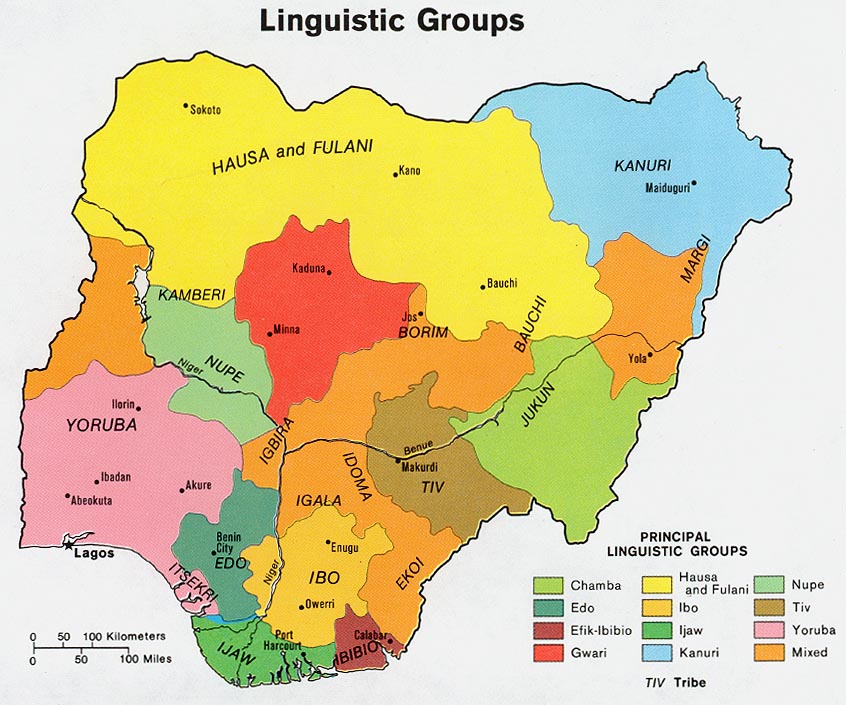
The Belning are a small indigenous community tucked into the hills and villages of Pankshin Local Government Area (LGA) in Plateau State, north-central Nigeria. Their settlements — including Dungkulom, Dunglim, Korom, Langung, and Zong — are found in the Pankshin district of this rugged, elevated terrain that forms part of Nigeria's Middle Belt. The Belning language, sometimes written Beln?ng, belongs to the West Chadic branch of the Afro-Asiatic family and is closely related to Ngas, the dominant language of the surrounding region. Linguists classify Belning as a distinct language, however — not merely a Ngas dialect — and the community's active use of it across generations reflects a stable linguistic identity.
SIL researchers have noted that the Belning language is vigorous, with speakers of all age groups continuing to use it in daily life. Though no formal school instruction takes place in Belning, the community maintains it as a living tongue. Plateau State itself carries a complex colonial and post-colonial history: incorporated into British Northern Nigeria in the early 20th century and later carved through successive administrative reorganizations, the region has long been home to dozens of ethnolinguistic minorities like the Belning who have preserved distinct identities within a vast and diverse nation. A Bible translation into Belning has been initiated but is not yet complete, leaving this small community without Scripture in their heart language.
Agriculture drives everyday life for the Belning. The Pankshin area is known for its productivity, and farmers in the region grow a wide range of crops — millet, guinea corn, maize, tomatoes, onions, and other vegetables suited to the highland climate of the Jos Plateau. Livestock also plays a role in the household economy, and the weekly markets that draw traders from surrounding communities provide an avenue for exchanging surplus goods and accessing needed supplies. The Pankshin Monday Market, a regional commercial hub, reflects the interconnected economic life of the many ethnic groups sharing this territory.
Family units are extended and communal obligations run deep. As is typical across the Middle Belt, elders command respect, and decisions about land, marriage, and community matters are made with their guidance. Marriage practices involve brideprice payments, and celebrations tied to the agricultural calendar — planting, harvest, and seasonal transitions — bring communities together through shared feasting, dancing, and ceremony. The neighboring Ngas, Miship, and Tal peoples are close cultural neighbors, and the Belning interact with them regularly in markets, schools, and shared spaces.
Plateau State has endured severe ethnic and religious violence in recent decades, including attacks linked to Fulani herders targeting predominantly Christian farming communities in the Middle Belt. The Belning, as a small village-based farming community in this contested region, are not insulated from this threat. Insecurity shapes daily decisions about movement, livelihood, and safety.
Christianity is the majority faith among the Belning, and an Evangelical presence is real and meaningful — a testimony to the gospel's reach into this remote community. Churches of various denominations are active throughout the Pankshin area, and Christian identity is woven into the social fabric of many Belning families.
A significant portion of the community, however, continues to place their trust in the traditional religious framework of their ancestors. In this worldview, spiritual forces govern the rhythms of planting and harvest, sickness and healing, birth and death. Ancestral spirits are regarded as active presences whose goodwill or displeasure shapes the fortunes of the living. Ritual specialists, protective objects, and communal ceremonies serve as means of approaching and appeasing these powers. This is genuine faith — a sincere entrusting of one's welfare to unseen spiritual forces — and it holds real authority in the lives of those who practice it. But these systems offer no lasting remedy for sin, no true reconciliation with the Creator, and no victory over death. Only Jesus Christ, who died and rose again, holds out that hope to every person, including every Belning.
The initiated Belning Bible translation has not yet been completed, meaning the community still awaits the full counsel of God's Word in the language closest to their hearts.
The ongoing threat of violence in the Middle Belt is among the most pressing concerns facing the Belning. Fulani herder attacks on Christian farming communities in Plateau State have caused displacement, loss of life, and the destruction of livelihoods in recent years. Access to consistent healthcare, quality education, and economic opportunity remains limited for many in rural Pankshin LGA. The completion of a Belning Bible translation is an urgent spiritual and cultural need — without it, the community's growing church lacks scripture in the language that speaks most directly to the heart.
Belning believers who have genuinely encountered Christ are positioned to be the most effective witnesses to those among their own people who still live under the authority of traditional spiritual systems. Discipleship, theological grounding, and encouragement to share the gospel within their extended family networks are essential investments in the community's spiritual future. The Belning church, once mature and rooted, has the potential to become a sending force — not only completing the work within their own community but carrying the gospel outward to less-reached peoples in Nigeria and beyond.
Pray for the protection of the Belning and their neighbors from the ongoing ethnic and religious violence that has devastated communities across Plateau State's Middle Belt.
Pray for accelerated progress in the Belning Bible translation, so that God's word will soon be available to every speaker in the language they know best.
Pray for Belning Christians — that their faith will be deep, scripturally grounded, and bold enough to reach family members and community leaders who still trust in traditional spiritual powers.
Pray that the Belning church will grow into a sending community, contributing to the spread of the gospel among Nigeria's many unreached peoples as part of the global mission force.
Scripture Prayers for the Belning in Nigeria.
| Profile Source: Joshua Project |